Bluetooth App Development for Wearable Devices: Best Practices
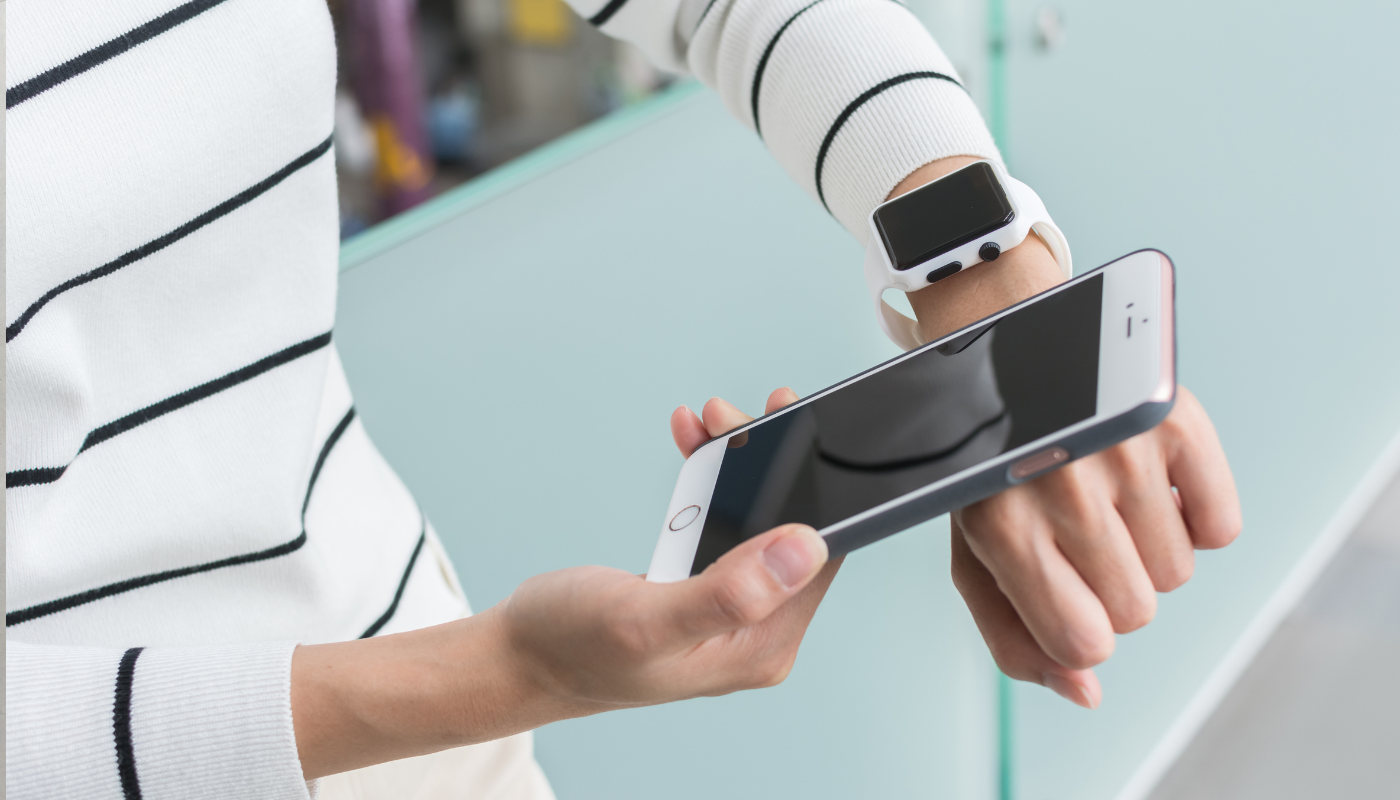
If you've built a Bluetooth device, you understand that creating an engaging app isn't just a technical challenge—it's the very heartbeat of your innovation. At Yeti, we've witnessed promising wearables vanish into technological obscurity, not because of hardware limitations, but due to subpar app experiences.
The stark reality is that even the most groundbreaking device can fail without a well-crafted companion app that transforms potential into performance. The path from breakthrough hardware to market success is a complex landscape of technical challenges. Ensuring seamless connectivity, designing an intuitive interface, and maintaining optimal performance are more than development tasks—they're the critical differentiators between a forgotten prototype and a must-have product. For many businesses, this journey feels like navigating a technological minefield, which is why we've distilled our extensive Bluetooth app development expertise into a comprehensive guide of best practices specifically tailored for wearable technology.
Our mission is simple: to provide you with actionable insights that elevate your device from a promising concept to an indispensable tool users cannot imagine living without.

Understanding the Landscape of Wearable Devices
Wearable devices are designed to be personal, portable, and often health-focused. They rely heavily on companion apps to unlock their full potential. Well crafted Bluetooth apps not only facilitate communication between the device and smartphones and computers, but also enhance functionality through real-time data synchronization and user interaction. However, developing these applications presents unique challenges:
- Limited Screen Real Estate: Wearables often feature small displays, necessitating a user interface that is both functional and intuitive.
- Intermittent Connectivity: Unlike traditional apps, wearables may experience connectivity issues that require robust handling to ensure a seamless user experience.
- Battery Life Concerns: Users expect their wearable devices to last throughout the day. Therefore, optimizing battery consumption is crucial.
By addressing these challenges with effective strategies, you can create an app that not only meets but exceeds user expectations.
Bluetooth App Development for Wearable Devices: Best Practices
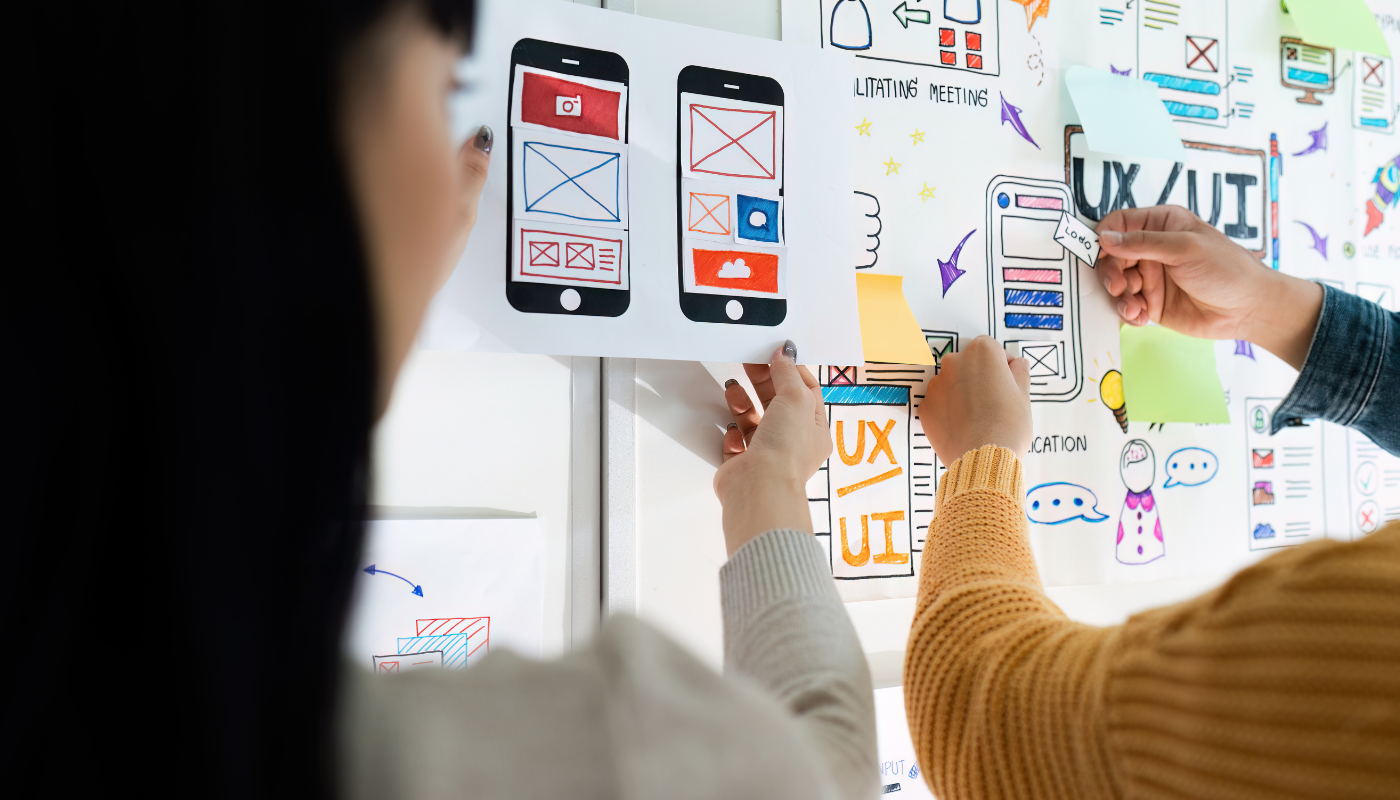
Prioritize User Experience (UX)
Designing an intuitive interface is paramount for wearable devices. Given the limited screen size, every interaction should be straightforward. Focus on:
- Conducting user testing to gather feedback and refine your design based on real-world usage patterns.
- Simplifying navigation to ensure ease of use
- Providing a consistent navigation experience, to foster familiarity
- Reducing the number of steps needed to access core functionalities, saving users time and stress
- Providing clear feedback and error messages, reducing user frustration
Learn more about UX for Bluetooth app development, here!
Ensure Robust Connectivity
Implementing reliable connectivity is an essential part of the Bluetooth app development process. This includes:
- Developing reconnection logic to handle unexpected drops
- Utilizing Bluetooth Low Energy (BLE) protocols to maintain connections without draining battery life
- Testing under various real-world conditions to identify and resolve connectivity issues
Optimize for Battery Efficiency
Battery life is often a dealbreaker for users of wearable devices. To enhance battery performance:
- Minimize background processes and data polling
- Use notifications instead of continuous data streams
- Adjust advertising intervals based on device activity levels
Implement Strong Security Measures
Protecting user data is critical in today’s digital landscape. Ensure your app incorporates:
- Advanced encryption methods for data transmission
- Secure pairing techniques to prevent unauthorized access
- Regular updates to address emerging security vulnerabilities
Focus on Cross-Platform Compatibility
Users expect their apps to work seamlessly across different devices and operating systems. To achieve this:
- Utilize native SDKs for iOS (Core Bluetooth) and Android (Android BLE API) while considering cross-platform frameworks like React Native or Flutter when appropriate.
- Test your app across various devices to ensure consistent performance and functionality.
Learn more about Cross Platform Compatibility and Bluetooth app development here!
Plan for Scalability
As your user base grows or as you add more features, your app must be able to scale efficiently. Consider:
- How data exchange patterns will evolve with increased device traffic
- Implementing backend solutions that can handle growing amounts of data without compromising performance
Test Rigorously Across Scenarios
Comprehensive testing is vital for ensuring reliability in diverse environments:
- Use tools like nRF Connect or Bluetooth Analyzer for debugging
- Conduct tests in various conditions (e.g., different distances, obstacles) to evaluate performance under real-world scenarios

Stay Updated with Industry Standards
The Bluetooth landscape is continually evolving with new standards and protocols being introduced regularly. Keep abreast of these changes to ensure your app remains compatible with the latest technologies.
The Bluetooth app development process requires careful consideration of multiple factors—from user experience design to robust connectivity and security measures. By following these best practices, you can create a compelling application that enhances the functionality of your wearable device while providing users with an engaging and seamless experience.
Yeti is a Bluetooth app development company, If you're in the process of creating an Bluetooth-enabled product, and could use some help, we'd love to chat! Feel free to send a message our way, and we'll get back to you immediately!